

Introduction: Understanding Reduction Mammoplasty
Large breasts can affect much more than a person’s appearance. For many women, excessive breast volume causes persistent back pain, neck and shoulder discomfort, skin irritation, difficulty exercising, and challenges when choosing suitable clothing. These physical concerns may also influence emotional well-being, body image, and everyday confidence.
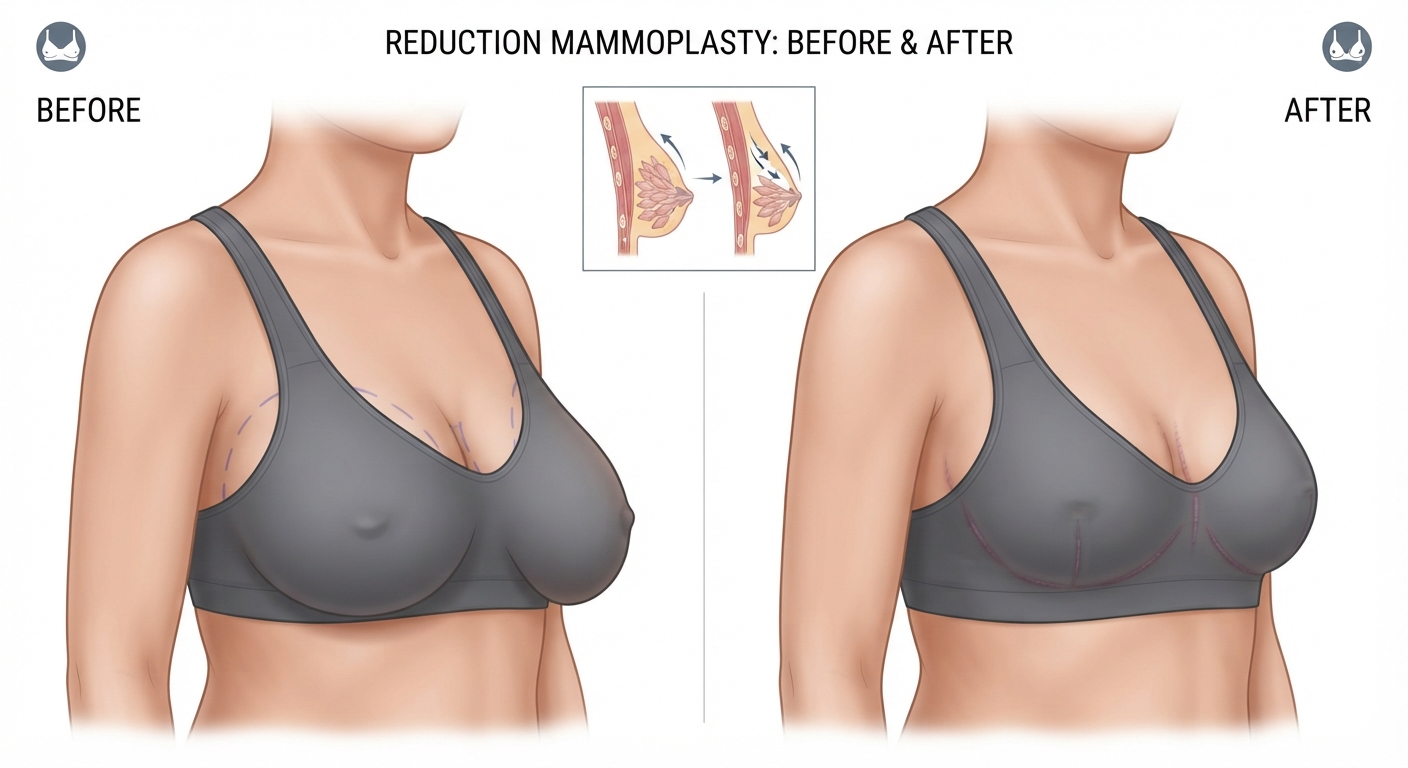
Reduction mammoplasty, commonly known as breast reduction surgery, is a plastic surgery procedure designed to remove excess breast tissue, fat, and skin to create smaller, lighter, and more proportionate breasts. During the operation, the surgeon may also reposition the nipples and areolas to achieve a more balanced appearance, depending on the patient’s anatomy and surgical plan.
The primary purpose of breast reduction is to address the physical discomfort associated with disproportionately large breasts while improving breast shape and overall body proportions. For suitable candidates, the procedure can make everyday activities more comfortable and support a more active lifestyle.
In recent years, Armenia has attracted international patients seeking plastic surgery and other medical services. The country offers access to medical professionals, private clinics, and coordinated services for visitors who travel for treatment. For patients considering reduction mammoplasty, Armenia may provide an opportunity to combine medical care with organized assistance throughout the treatment journey.
Through HEG Armenia, international patients can receive assistance with medical consultations, communication with healthcare professionals, treatment coordination, and practical arrangements related to their visit.
This guide explores seven important benefits of breast reduction surgery, explains the available techniques, outlines the treatment and recovery process, and discusses the factors patients should consider when choosing reduction mammoplasty in Armenia.
1. Reduction of Back, Neck, and Shoulder Discomfort
One of the most important reasons women consider breast reduction surgery is persistent discomfort associated with the weight of large breasts.
Excessive breast volume can place additional strain on the neck, shoulders, and upper back. The weight of the breasts, combined with posture and individual anatomical factors, may contribute to muscle tension, discomfort, and difficulty maintaining comfortable positions throughout the day.
Some women experience deep grooves caused by bra straps, tenderness around the shoulders, or discomfort after standing or walking for extended periods. These symptoms can interfere with work, household responsibilities, sleep, and other daily activities.
Reduction mammoplasty removes a portion of the breast tissue and skin, decreasing breast volume and weight. By reducing this load, surgery may help alleviate symptoms associated with macromastia, a condition characterized by disproportionately large breasts.
However, the degree of improvement varies between patients. Back or neck pain can have several causes, so a medical assessment is important before deciding whether breast reduction is an appropriate treatment.
For women whose symptoms are significantly related to breast size, reducing breast weight may make daily movement more comfortable and reduce the physical burden associated with large breasts.
2. Greater Freedom of Movement and Physical Activity
Large breasts can make physical activity uncomfortable, particularly when running, jumping, exercising, or participating in sports that involve repetitive movement.
Some women avoid particular activities because of breast movement, discomfort, difficulty finding supportive sports bras, or concern about pain during exercise. Over time, these limitations may affect their ability to maintain an active routine.
Breast reduction can help address some of these difficulties by decreasing breast volume and weight. Following recovery, patients may find activities such as walking, cycling, swimming, strength training, and other forms of exercise more comfortable.
The procedure can also make everyday movements easier, including climbing stairs, bending, lifting light objects, and participating in recreational activities.
Nevertheless, breast reduction does not automatically improve physical fitness or guarantee that every sport will become comfortable. Individual results depend on the patient’s health, recovery, surgical outcome, and other physical factors.
Patients must also follow their surgeon’s instructions regarding exercise restrictions after surgery. Strenuous activity and movements that place tension on healing incisions should be avoided until the surgeon confirms that returning to exercise is appropriate.
For women whose breast size limits their preferred activities, reduction mammoplasty may represent an important step toward greater physical comfort and participation in everyday life.
3. Relief from Skin Irritation and Hygiene Difficulties
The skin beneath large breasts can be particularly vulnerable to moisture, friction, and irritation. When skin surfaces remain in contact for extended periods, perspiration and limited ventilation may contribute to redness, itching, inflammation, and discomfort.
In some cases, the affected area can develop intertrigo, an inflammatory skin condition associated with friction and moisture. Fungal or bacterial infections may also occur, particularly when the skin remains warm and damp.
These problems can become more noticeable during hot weather, physical activity, or prolonged periods of sitting and standing. Some women need to apply topical products regularly or take additional steps to keep the skin beneath the breasts dry.
By reducing breast size and excess skin, reduction mammoplasty may make the inframammary area easier to access and maintain. This can help reduce some of the mechanical factors contributing to recurrent irritation.
However, surgery does not guarantee that skin problems will disappear completely. Dermatological conditions may have additional causes and sometimes require separate treatment.
A consultation with a surgeon can help determine whether breast reduction may address the physical factors contributing to recurring discomfort. Depending on the situation, a dermatologist or another medical specialist may also be involved in the assessment.
4. Improved Breast Shape and Body Proportions
Although breast reduction is frequently performed to relieve physical symptoms, it also offers aesthetic benefits.
Large breasts may appear disproportionate to the rest of the body, particularly when breast volume is accompanied by stretched skin or significant sagging. Some women feel that their breast size makes it difficult to find clothing that fits comfortably across the chest, waist, and shoulders.
During reduction mammoplasty, the surgeon removes excess tissue and skin and reshapes the remaining breast. The nipple and areola may also be repositioned to create a more harmonious relationship between the breast and the surrounding body contours.
The objective is not necessarily to create the smallest possible breasts. Instead, the surgical plan should reflect the patient’s anatomy, tissue characteristics, health, and personal preferences while prioritizing safety.
The final shape depends on several factors, including the amount of tissue removed, skin elasticity, breast structure, and the technique selected by the surgeon.
It is important to maintain realistic expectations. Perfect symmetry cannot be guaranteed, and natural differences between the breasts may remain after surgery. Scars are also an expected part of most breast reduction techniques.
Nevertheless, for appropriately selected patients, the procedure can create smaller, lighter, and more proportionate breasts that better match their desired appearance.
5. Increased Clothing Comfort and Everyday Convenience
Finding suitable clothing can be a persistent challenge for women with disproportionately large breasts.
A garment may fit well around the waist and hips but feel too tight across the chest. Shirts may pull at the buttons, dresses may require alterations, and structured jackets may be difficult to wear comfortably. Supportive bras can also be expensive, restrictive, or difficult to find in the desired style.
Breast reduction may simplify these everyday challenges by changing breast volume and proportions.
After recovery, some patients find it easier to choose dresses, tops, sportswear, swimwear, and other garments without needing extensive adjustments. They may also experience greater comfort when wearing bras or participating in activities that require fitted clothing.
These benefits are personal rather than guaranteed. Clothing preferences, body shape, and individual expectations differ, and patients may still need supportive garments following surgery.
The broader benefit is that clothing choices may become less influenced by the need to accommodate excessive breast volume.
For many women, this practical improvement is an important part of the overall experience of breast reduction surgery.
6. Support for Emotional Well-Being and Body Confidence
The physical effects of disproportionately large breasts can be accompanied by emotional and social challenges.
Some women feel self-conscious about their appearance, experience unwanted attention, or avoid certain clothing and activities. Others feel frustrated by persistent discomfort or by the practical limitations associated with their breast size.
These experiences vary significantly from person to person. Not every woman with large breasts experiences psychological distress, and surgery should always be a personal decision rather than a response to outside pressure.
For patients who experience substantial physical or emotional discomfort related to breast size, reduction mammoplasty may help them feel more comfortable in their bodies.
When physical symptoms improve and everyday activities become easier, some patients also report greater confidence and satisfaction with their appearance.
However, surgery cannot guarantee a particular emotional outcome or resolve every concern related to body image. A realistic understanding of the potential benefits and limitations is essential when deciding whether to proceed.
A thorough consultation allows patients to discuss their expectations, concerns, and desired breast size with their surgeon. The goal is to develop a treatment plan that reflects their individual needs rather than an arbitrary aesthetic ideal.
7. Long-Lasting Results and Improved Quality of Life
Breast reduction generally produces a lasting decrease in breast volume. Once healing is complete, patients can usually enjoy the benefits of lighter breasts for many years.
For women whose daily routines have been affected by breast weight, the combination of physical relief, improved proportions, and greater freedom of movement may contribute to a better quality of life.
Nevertheless, breast reduction does not stop the natural aging process. Breast shape and volume can change over time because of pregnancy, breastfeeding, weight fluctuations, hormonal changes, and changes in skin elasticity.
Significant weight gain may increase breast volume, while weight loss may alter breast shape. These changes can influence the long-term appearance of the surgical result.
Maintaining a relatively stable weight, following medical advice, and attending recommended follow-up appointments can help patients manage their results over time.
It is also important to understand that breast reduction involves permanent scars and potential changes in nipple sensation or breastfeeding ability. The likelihood and extent of these outcomes depend on the surgical technique and individual circumstances.
A surgeon should discuss these considerations before treatment so that patients can make an informed decision.
Why Choose Armenia for Reduction Mammoplasty?
Armenia is an option for patients considering plastic surgery abroad. The country has private medical facilities, plastic surgery specialists, and services designed to assist international visitors.
Choosing a destination for surgery requires more than comparing prices. Patients should consider the surgeon’s qualifications, the facility where the operation will take place, anesthesia arrangements, postoperative monitoring, communication, and access to medical assistance if complications occur.
Experienced Plastic Surgeons
The surgeon’s qualifications and experience are central to the safety and outcome of reduction mammoplasty.
Patients should review the surgeon’s education, professional registration, experience with breast reduction procedures, and approach to postoperative care.
A consultation should include an assessment of breast size, skin quality, body proportions, medical history, and personal expectations. The surgeon should also explain the proposed incision pattern, likely scars, potential complications, and anticipated recovery.
You can explore available specialists through the HEG Armenia doctors page.
When choosing a surgeon, patients should prioritize verifiable credentials and relevant surgical experience rather than relying exclusively on promotional claims or photographs.
Affordable and Transparent Pricing
The cost of breast reduction surgery varies considerably between countries, clinics, and individual treatment plans.
Armenia may offer lower overall treatment costs than some medical destinations in Western Europe, the United States, and the United Arab Emirates. However, savings depend on the patient’s home country, the services included, travel expenses, accommodation, and the complexity of the procedure.
The estimated cost of reduction mammoplasty in Armenia may range from $2,500 to $5,000, although this is an indicative range rather than a guaranteed or universally applicable price.
Patients should confirm the current price directly with the clinic or medical coordination service before making travel arrangements.
A written quotation should clarify whether the price includes the surgeon’s fee, anesthesia, operating room, hospital stay, preoperative tests, medications, postoperative appointments, and any required compression garments.
International patients should also budget for flights, accommodation, meals, travel insurance where appropriate, and additional nights if their recovery takes longer than expected.
You can review the HEG Armenia price list for available pricing information and request clarification regarding the services included.
Modern Medical Facilities
The quality of the medical facility is another important consideration.
Patients should confirm that the selected clinic or hospital has appropriate operating facilities, qualified anesthesia professionals, equipment for monitoring patients during surgery, and arrangements for managing emergencies.
Accreditation and certification can provide useful information, but their significance depends on the specific institution, certification scope, and current validity. Patients should verify any claims concerning international standards, including ISO certification or Joint Commission International accreditation, directly with the relevant organization or facility.
A suitable medical environment should also provide clear instructions for postoperative monitoring, wound care, pain management, and follow-up consultations.
Coordinated Support for International Patients
Traveling abroad for surgery involves practical arrangements in addition to medical treatment.
Patients may need help organizing consultations, understanding medical instructions, arranging transfers, finding accommodation, and communicating with healthcare professionals in another language.
Medical tourism coordination services can help simplify these tasks by connecting patients with clinics and assisting with treatment-related logistics.
Through HEG Armenia, international patients can inquire about available coordination services and the practical arrangements associated with their treatment.
Before confirming a package, patients should request a detailed explanation of the services provided, identify which services are supplied directly by the medical facility, and clarify who to contact if medical concerns arise during recovery.
Language support may be available in English, Russian, or other languages, depending on the service provider. Patients should confirm the available languages before traveling.
A Comfortable Environment for Recovery
A comfortable recovery environment can help patients manage the practical demands of postoperative care.
Armenia offers a range of accommodation options, and patients may choose to stay near their treating medical facility to simplify follow-up visits.
However, travel plans should be based on medical advice rather than tourism preferences. Breast reduction requires time for healing, and patients should avoid strenuous activities, heavy lifting, and unnecessary travel during the early recovery period.
International patients should arrange suitable accommodation, access to food and medication, and assistance with daily tasks if needed.
They should also have a clear plan for contacting their surgeon and obtaining medical attention if symptoms worsen after discharge.
Who Is a Suitable Candidate for Breast Reduction Surgery?
Reduction mammoplasty may be appropriate for women who experience physical discomfort or functional limitations associated with large breasts and who wish to reduce their breast volume.
Potential candidates may experience:
- Persistent back, neck, or shoulder discomfort associated with breast weight.
- Deep grooves or pressure marks caused by bra straps.
- Recurrent skin irritation beneath the breasts.
- Difficulty exercising or participating in preferred physical activities.
- Challenges finding comfortable clothing or supportive bras.
- Dissatisfaction with breast proportions or substantial breast sagging.
- Emotional discomfort related to breast size.
A patient’s suitability cannot be determined by breast size alone. The surgeon must assess overall health, medical history, breast anatomy, medications, smoking status, and individual goals.
Patients with certain medical conditions may require additional evaluation before surgery. Smoking and nicotine use can increase the risk of wound-healing complications, and the surgeon may recommend stopping before and after the operation.
Weight stability is also worth considering because substantial weight changes can affect the surgical result.
Women who are pregnant or breastfeeding generally need to discuss appropriate timing with their medical team. Future pregnancy plans should also be considered because breast reduction can affect breastfeeding ability.
The final decision should be made collaboratively with a qualified surgeon after a comprehensive consultation.
Breast Reduction Techniques Used in Armenia
The appropriate technique depends on the patient’s breast size, degree of sagging, skin elasticity, nipple position, tissue composition, and desired outcome.
1. Inverted-T or Anchor Technique
The anchor technique is frequently used when a substantial reduction is required or when the breasts have significant sagging.
The incision pattern typically includes an incision around the areola, a vertical incision extending toward the breast crease, and a horizontal incision along the inframammary fold.
This approach allows the surgeon to remove larger amounts of tissue and skin and reshape the breast.
The principal trade-off is a longer scar pattern compared with some alternative techniques. Scars usually fade over time but remain permanent.
2. Vertical or Lollipop Technique
The vertical technique generally involves an incision around the areola and a vertical incision extending down to the breast crease.
It may be suitable for selected patients who require a moderate reduction and reshaping.
Because it avoids the horizontal incision used in the anchor technique, the overall scar pattern may be shorter. However, suitability depends on breast anatomy and the extent of correction required.
The technique is not appropriate for every patient, particularly when extensive tissue removal or skin adjustment is necessary.
3. Liposuction-Assisted Breast Reduction
Liposuction may be considered for selected patients whose breast volume consists primarily of fatty tissue and who have relatively good skin elasticity.
The procedure removes fat through small incisions using a suction cannula. It may reduce breast volume with fewer visible incisions than conventional tissue-removal techniques.
However, liposuction alone does not effectively remove substantial excess skin or reposition the nipple in the same way as traditional reduction mammoplasty.
It may therefore be unsuitable for patients with significant breast sagging or a need for extensive reshaping.
How Is the Technique Selected?
The surgeon determines the most appropriate method after examining the breasts and discussing the patient’s expectations.
Important considerations include:
- The amount of breast tissue that needs to be removed.
- The degree of skin excess and breast sagging.
- The position and blood supply of the nipple and areola.
- The patient’s medical history and risk factors.
- The desired breast size and proportions.
- The potential effects on sensation, scarring, and breastfeeding.
The goal is to balance the desired reduction with safe tissue removal, appropriate blood supply, and a realistic long-term result.
The Breast Reduction Treatment Process
Stage 1: Initial Consultation
The process begins with a consultation to discuss symptoms, medical history, breast size, and expectations.
The surgeon examines breast anatomy and may take clinical photographs or measurements for planning purposes. Patients should disclose previous breast surgery, current medications, allergies, smoking or nicotine use, and any relevant medical conditions.
The consultation should also cover the potential risks of surgery, expected scars, changes in nipple sensation, and possible effects on breastfeeding.
If the patient is traveling from abroad, the clinic may request photographs or medical information before arranging an in-person assessment. Remote assessments do not replace the examination and final clearance required before surgery.
Stage 2: Preoperative Tests and Preparation
Before surgery, the medical team determines which examinations and laboratory tests are necessary.
Depending on age, medical history, and clinical findings, this may include blood tests, breast imaging, an electrocardiogram, or additional specialist assessments.
The surgeon and anesthesia team provide instructions concerning medications, fasting, nicotine use, and other preparation requirements.
Patients should not stop prescribed medications without medical advice.
Stage 3: Surgery Day
Reduction mammoplasty is generally performed under general anesthesia.
The surgeon makes the planned incisions, removes excess breast tissue and skin, reshapes the remaining tissue, and repositions the nipple and areola when required.
The incisions are closed with sutures, and dressings or supportive garments are applied according to the surgical plan.
The operation commonly takes approximately two to four hours, although the duration varies according to the technique and complexity.
Patients are monitored after surgery while recovering from anesthesia. Some may be discharged according to the facility’s protocol, while others require an overnight or longer hospital stay.
A hospital stay of one to two days may be recommended in some cases, but the actual duration depends on the patient’s condition and the surgeon’s instructions.
Stage 4: Early Recovery
Swelling, bruising, tenderness, and temporary changes in breast sensation are common during the initial recovery period.
The surgeon may prescribe pain medication and provide instructions for wound care, showering, sleeping positions, and the use of a supportive surgical bra.
Patients should avoid lifting heavy objects, strenuous exercise, and activities that place tension on the incisions.
Follow-up appointments allow the medical team to assess healing and identify potential complications.
Severe or increasing pain, fever, spreading redness, unusual discharge, sudden swelling, chest pain, or difficulty breathing require prompt medical assessment. Chest pain or breathing difficulty should be treated as an emergency.
Stage 5: Gradual Return to Daily Activities
Recovery differs between individuals, and returning to work depends on the nature of the job and the patient’s healing progress.
Some patients may resume light daily activities within one to two weeks, while others need longer. A return to desk-based work may be possible earlier than a return to physically demanding employment.
Light activities can often be increased gradually over the first several weeks, but strenuous exercise and heavy lifting should wait until the surgeon confirms that healing is adequate.
Swelling and changes in breast shape can continue for several months. The final appearance is often assessed around three to six months after surgery, although scar maturation and tissue changes may continue for longer.
Recovery After Breast Reduction: What International Patients Should Know
Patients traveling to Armenia for surgery should plan their visit around the recovery period rather than a fixed sightseeing schedule.
The surgeon must determine when it is appropriate to fly home, taking into account wound healing, mobility, pain control, the risk of postoperative complications, and the availability of follow-up care.
A return home approximately seven to ten days after surgery may be considered in selected cases, but this is not a universal recommendation. Some patients require a longer stay.
Before traveling, patients should arrange:
- Accommodation that allows comfortable rest.
- Assistance with luggage, shopping, and household tasks.
- Transportation to postoperative appointments.
- Access to prescribed medication and medical supplies.
- Written discharge instructions and relevant medical records.
- A clear plan for contacting the treating surgeon after returning home.
Air travel after surgery can involve additional considerations, including reduced mobility and the risk of blood clots. Patients should obtain individualized advice from their surgical team before booking their return flight.
A responsible treatment plan includes follow-up arrangements and guidance on where to seek medical attention if complications develop after returning home.
Potential Risks and Complications
Although reduction mammoplasty is commonly performed, it remains a major surgical procedure and carries risks.
Possible complications include bleeding, infection, adverse reactions to anesthesia, blood clots, delayed wound healing, and fluid accumulation.
Other potential outcomes include noticeable scarring, asymmetry, changes in nipple or breast sensation, difficulty breastfeeding, and dissatisfaction with breast size or shape.
In uncommon cases, problems with the blood supply to the nipple or areola may result in tissue damage.
Some patients may require additional treatment or revision surgery.
Individual risk depends on factors such as overall health, smoking status, breast anatomy, the extent of tissue removal, and the surgical technique.
Patients should discuss these risks with their surgeon before deciding to proceed. They should also understand the clinic’s emergency procedures and arrangements for postoperative care.
Choosing a qualified surgeon and an appropriately equipped medical facility, following preoperative instructions, and attending postoperative appointments can help manage risk but cannot eliminate every complication.
Cost of Reduction Mammoplasty in Armenia
The price of breast reduction surgery in Armenia depends on several factors, including the surgical technique, the amount of tissue removed, the surgeon’s fees, anesthesia, the medical facility, and the length of hospital stay.
An indicative price range is $2,500–$5,000. Actual prices should be confirmed directly because fees, package contents, and clinical requirements can change.
The total cost of treatment abroad may include more than the operation itself. International patients should account for accommodation, flights, local transportation, meals, medications, and possible extensions to their stay.
When comparing clinics, patients should request written quotations and confirm whether preoperative examinations, anesthesia, hospital care, postoperative consultations, and compression garments are included.
A lower quoted price does not necessarily represent a lower total cost or equivalent services. Patients should compare the scope of treatment, qualifications, facility standards, and follow-up arrangements alongside the financial estimate.
For additional information, visit the HEG Armenia price list and request details about the current breast reduction options.
Frequently Asked Questions About Reduction Mammoplasty in Armenia
1. Is breast reduction surgery safe?
Breast reduction is an established surgical procedure, but it carries risks like any major operation. Safety depends on patient selection, the surgeon’s qualifications, the medical facility, anesthesia, and postoperative care. A personal consultation is necessary to assess individual risks.
2. Will there be visible scars after surgery?
Most conventional breast reduction techniques leave permanent scars. Their location and length depend on the method used and the amount of tissue removed. Scars generally become less noticeable as they mature, but they do not disappear completely.
3. How long do the results last?
The reduction in breast volume is generally long-lasting. However, aging, pregnancy, breastfeeding, and significant weight changes can affect breast size and shape over time.
4. Does breast reduction affect nipple sensation?
Temporary changes in sensation are possible, and some patients experience persistent changes. The likelihood depends on the surgical technique, the extent of reduction, and individual anatomy.
5. Can I breastfeed after reduction mammoplasty?
Breastfeeding may remain possible, but the procedure can affect milk production and the ability to breastfeed. The impact depends on how breast tissue, ducts, and nerves are affected during surgery. Patients planning future pregnancies should discuss this with their surgeon.
6. Can breast reduction be combined with a breast lift?
Breast reduction usually includes reshaping and lifting the breasts as part of the procedure. Additional surgical procedures may sometimes be considered, but combining operations depends on the patient’s needs, safety, and overall surgical plan.
7. How long does the operation take?
The operation commonly lasts around two to four hours. The exact duration depends on the surgical technique and complexity.
8. How long will I need to stay in the hospital?
Some patients remain in the hospital overnight or for one to two days. The appropriate stay depends on the facility’s protocol, the patient’s recovery, and the surgeon’s assessment.
9. When can I return to work?
Some patients can return to desk-based work within one to two weeks, while physically demanding jobs may require a longer absence. The timing should be agreed upon with the surgeon.
10. When can I exercise again?
Walking and gentle movement may be encouraged early in recovery, according to medical instructions. Strenuous exercise, heavy lifting, and activities involving substantial upper-body movement should be postponed until the surgeon confirms that they are safe.
11. When will I see the final results?
An initial change is visible immediately after surgery, but swelling and tissue healing influence the appearance during the first weeks. The result is often assessed more reliably after three to six months, with continued scar maturation possible beyond that period.
12. When can I travel home after surgery?
Some international patients may be able to travel after approximately seven to ten days, but the appropriate timing varies. The surgeon should approve the travel date based on recovery and the planned follow-up arrangements.
13. Is breast reduction suitable for everyone with large breasts?
No. Suitability depends on symptoms, anatomy, health, expectations, and individual risk factors. A qualified surgeon must assess each patient before recommending surgery.
14. How can I find out the exact cost?
The most reliable approach is to request a current quotation based on your medical assessment and proposed surgical plan. Confirm which services are included and which expenses must be paid separately.
Why International Patients Consider HEG Armenia
Choosing breast reduction abroad involves medical, financial, and practical decisions. International patients may benefit from having a clear point of contact who can help coordinate consultations and explain the steps involved in treatment.
HEG Armenia provides medical tourism coordination services intended to help patients navigate the process of accessing medical care in Armenia.
Depending on the arrangements available for an individual case, support may include assistance with initial communication, coordination with medical professionals, treatment-related information, and practical planning for the visit.
Patients should confirm the precise services available for their procedure and understand that medical decisions, surgical recommendations, and clinical care must be provided by qualified healthcare professionals.
Learn more about the organization and its services on the HEG Armenia website.
Conclusion: Is Reduction Mammoplasty in Armenia Right for You?
Reduction mammoplasty can offer meaningful benefits to women who experience physical discomfort, restricted movement, skin irritation, or dissatisfaction with the proportions of their breasts.
By removing excess breast tissue and skin, the procedure aims to create lighter, smaller breasts while improving shape and proportions. For suitable patients, it may also make physical activity, clothing choices, and everyday tasks more comfortable.
Armenia may be a practical destination for patients seeking plastic surgery abroad because of its medical facilities, available surgical expertise, and opportunities for coordinated patient support. However, the right treatment decision depends on the qualifications of the surgeon, the standards of the facility, the patient’s individual health, and the arrangements for postoperative care.
Before proceeding, patients should obtain a comprehensive medical assessment, understand the potential risks and limitations, and request a transparent quotation that covers the full treatment journey.
If you are considering breast reduction surgery in Armenia, you can explore the reduction mammoplasty service at HEG Armenia and learn more about the available treatment options.
An informed decision, realistic expectations, and appropriate medical follow-up are essential elements of a safe and satisfactory surgical experience.